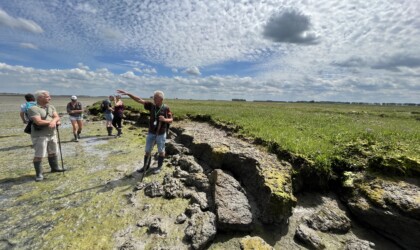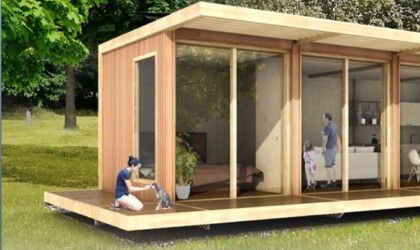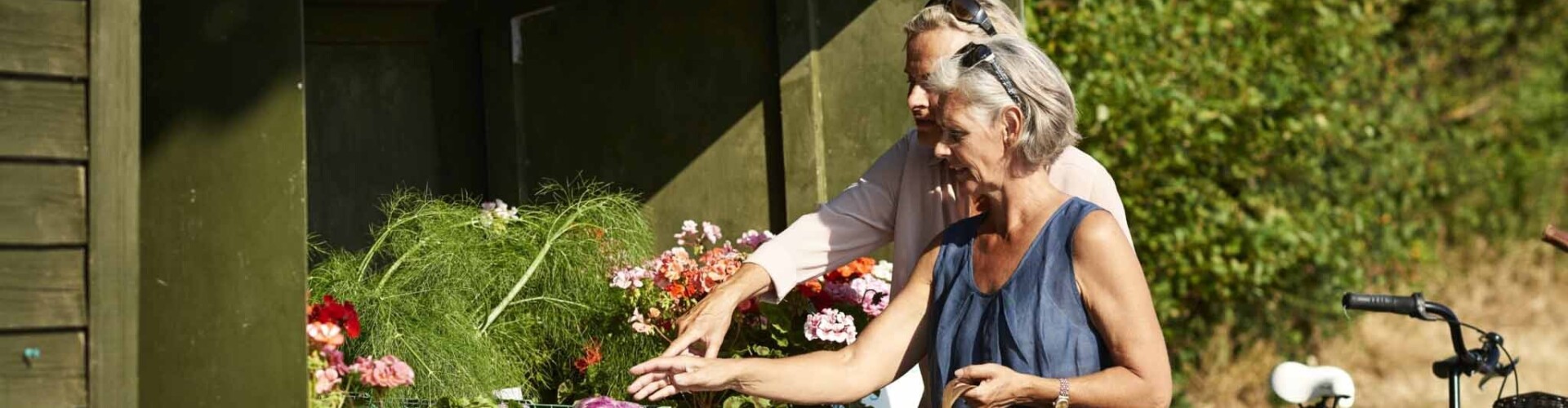
Four municipalities in Zeeland are joining forces with businesses to promote sustainability in the tourism sector. Together with key stakeholders in the tourism sector and international partners from Friesland, Belgium, Denmark, Germany, France and Sweden, they are collaborating on the 3ST project: Speeding Up Sustainability Skills in Tourism. HZ is conducting the research and overseeing the monitoring, whilst Impuls Zeeland is supporting the local authorities and businesses.
Tourism is one of the fastest-growing sectors worldwide, and this is also the case in Zeeland. It generates two billion euros annually, improves local facilities and contributes to nature conservation and regional development. However, the impact on local resources and climate change is significant. The World Tourism Organisation (UNWTO 2019) estimates that greenhouse gas emissions from tourism will rise to 5.3 per cent of the global total by 2030. The transition to a sustainable sector is crucial, and circularity offers opportunities.
A practical approach
Although technological innovations offering solutions are on the rise, implementation in practice sometimes lags behind. Not everyone has developed the specific skills required for circularity to the same extent. Strengthening these skills is essential for greater circularity. Cooperation must also be strengthened between all key stakeholders in the sector: public authorities, businesses and suppliers. By working together more efficiently and enhancing the skills of businesses, the transition to sustainability will be given a boost.
Pilot projects
The municipalities of Goes, Middelburg, Schouwen-Duiveland and Veere are working on pilot projects focusing on the sustainable management of water, energy and waste. Goes, for example, is focusing on sustainable water use in the town centre, whilst Schouwen-Duiveland is concentrating on waste streams in Burgh-Haamstede. These pilot projects serve as test cases for HZ University of Applied Sciences, one of the knowledge institutions involved in the project, in its research into strengthening partnerships and circular economy skills. The research is ultimately intended to lead to a collaborative model for developing sustainable tourism.
North Sea Region
The 3ST project receives funding from the Interreg North Sea Programme 2021–2027, co-financed by the European Regional Development Fund. The province of Zeeland and the municipalities of Goes, Middelburg, Schouwen-Duiveland and Veere are also making financial contributions.