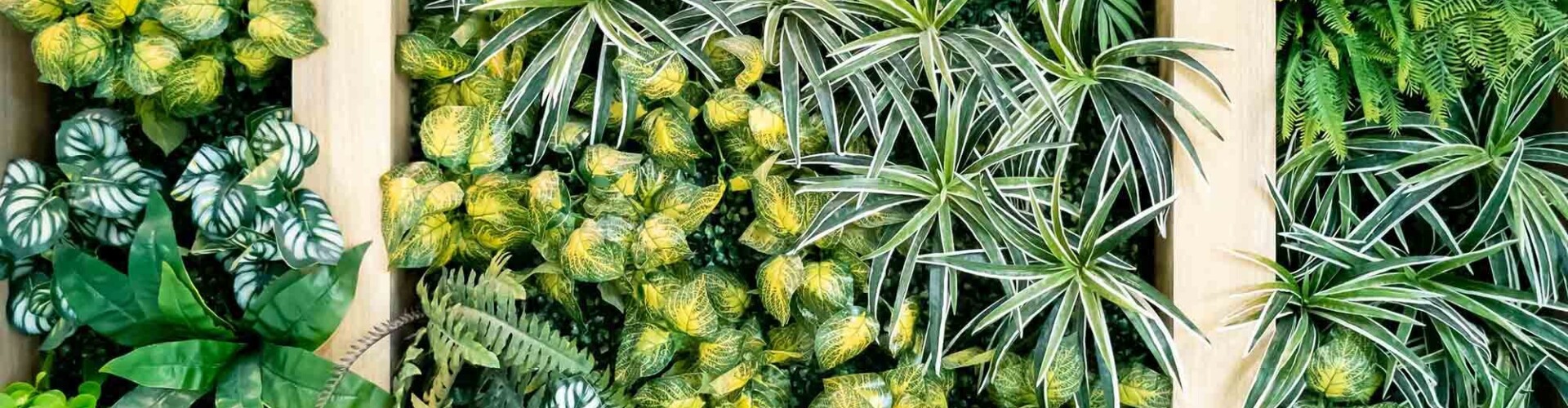
The ‘Building Skin RE-NATURISED’ project aims to develop a concrete approach to transforming a significant proportion of the post-war terraced houses and flats in the Netherlands into vibrant, energy-efficient and healthy ecosystems.
The Biobased Construction research group at HZ University of Applied Sciences, together with Avans University of Applied Sciences, Aeres University of Applied Sciences, HAN University of Applied Sciences, Utrecht University of Applied Sciences, Eindhoven University of Technology, Utrecht University and numerous companies, forms part of the consortium. The project has recently been given the green light by the NWO. It has a budget of over three million euros and a duration of six years.
A large proportion of post-war homes are energy-intensive. They are often not circular, not comfortable and even unhealthy. Moreover, they are not well adapted to future climate change. ‘Building Skin RE-NATURISED’ focuses on the development and demonstration of façade renovations using nature-intelligent and symbiotic ecosystem designs, specifically created for this type of housing. The partners aim to create guidelines and examples for renovating these homes by introducing nature-based knowledge and living nature itself into the building envelope. This contributes to better insulation, lower CO2 emissions and a healthier indoor and outdoor climate. This is crucial in the energy transition.
Growing need
The project addresses the growing need for sustainable and healthy building solutions. A key focus of the project is the use of natural building materials, both bio-based and geo-based. Researchers are exploring how we can replace toxic building components with regenerative alternatives that improve building performance and minimise environmental impact.
This aligns with Biobased Constructions ‘Building for Health’ research strand. Nature-inspired climate control strategies are also being developed to improve (hygro)thermal comfort and indoor air quality. This reduces reliance on mechanical systems. Sustainability and well-being are central to this approach.
Valuable insights
The expected results of the research will provide valuable insights for policymakers, construction companies and property owners who wish to make their properties more sustainable and environmentally friendly.
In addition to the research institutions, the project has the following co-funders and partners: Wonion, BC Materials, DGMR Bouw bv, De Verschilmakerij BV, ROEF (Knaapen), Omlab, Isoleerbewust, SHR B.V., National Knowledge Centre for Biobased Construction (NKBB), Royal Association of Gardeners and Landscapers (VHG), elk® Group, Agrodome Foundation, K&I Network for Circular Construction Zeeland, Mobilane B.V., Muurtuin BVBA, FRAAi architects, ORGA architect BV, SGS Nederland B.V., WAM&VanDuren Bouwgroep, Kraaijvanger Architects, Nico de Bont, Koninklijke Kuijpers, CoolBricks B.V., NXT Building, Vdz Projecten, Faunest (Jennifer de Jonge BV), BioBlocks, BDG Architects, Centrada, Stadlander and Biobased Creations.