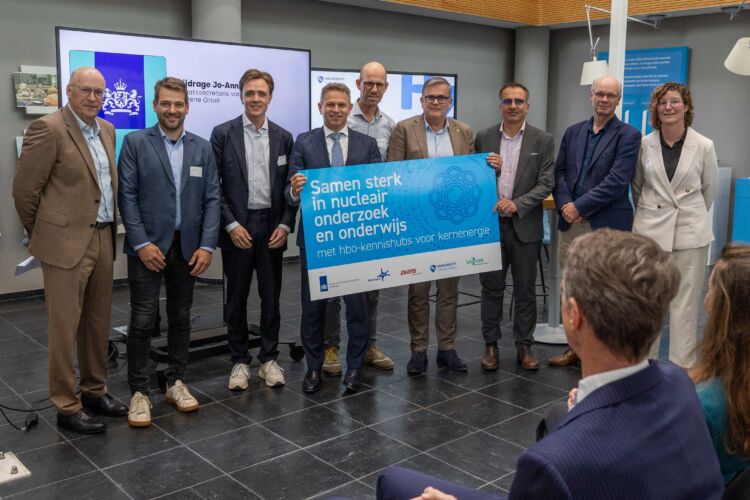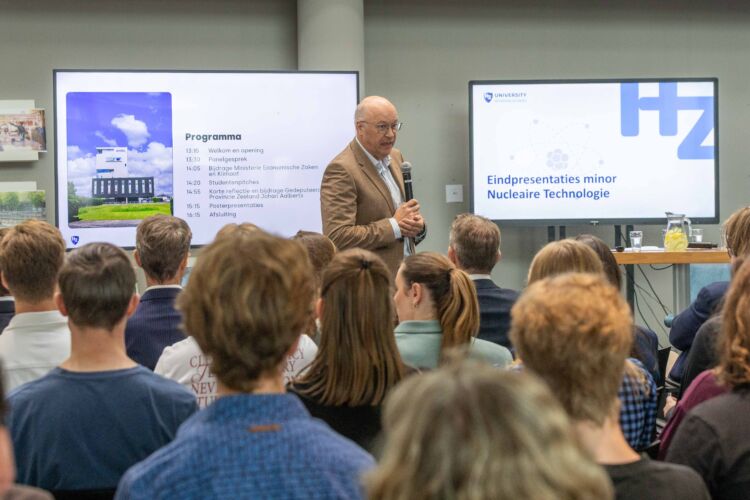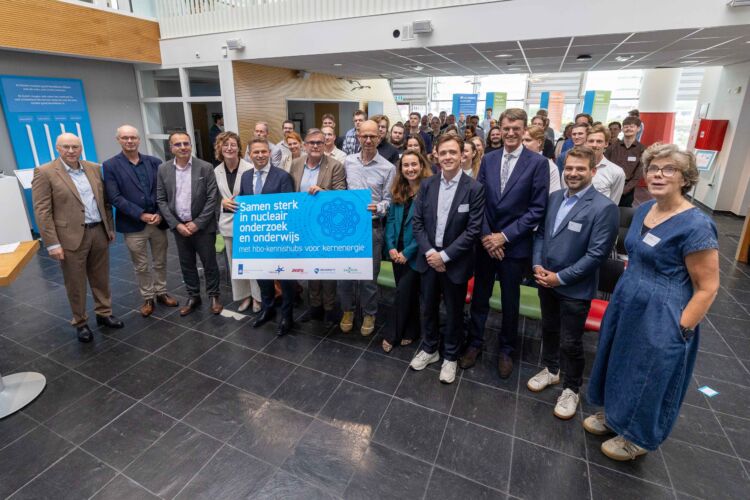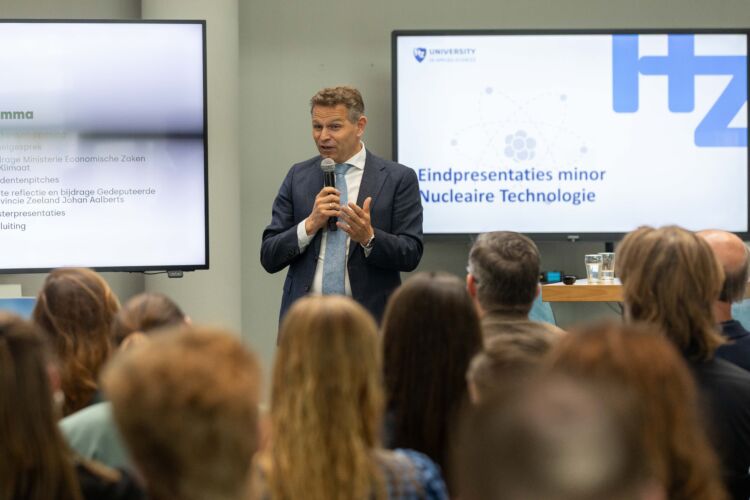
State Secretary Jo-Annes de Bat for Climate and Green Growth announced on Wednesday that two nuclear knowledge hubs will be established in Zeeland and West Brabant (HZ University of Applied Sciences and Avans University of Applied Sciences) and in the east of the Netherlands (Saxion). De Bat made his announcement during the closing event of the Nuclear Technology minor program at HZ University of Applied Sciences.
The development of nuclear energy calls for new knowledge, innovation, and enough well-trained professionals. With the expected growth of the nuclear sector, the need for practice-oriented research and education is increasing. The knowledge hubs contribute to this by developing knowledge and talent and by strengthening cooperation with the professional field.
In total, six universities of applied sciences (HZ, Avans, Saxion, Rotterdam University of Applied Sciences, Hanze, and Inholland) examined how higher professional education (hbo) can strengthen the national nuclear knowledge base. They carried out exploratory studies into setting up so-called knowledge hubs in a number of regions. At least two regional knowledge hubs will now be established: one at HZ and Avans, and one at Saxion. A third hub is in development and will be set up at a later stage. Each hub focuses on its own area of expertise.
Nuclear safety
The first hub, run by HZ and Avans, focuses on the topics of nuclear safety, large-scale regional grid integration, and the link with (high-temperature) hydrogen production. The second hub, at Saxion, focuses on digital twin applications for integrating SMRs (small modular reactors) into the energy system. This also links to (high-temperature) hydrogen production, industry, and materials.
The nuclear knowledge hubs strengthen education and research in higher professional education in the field of nuclear energy. They form an important link in the knowledge chain and ensure a connection with practice. The hubs operate regionally but seek nationwide cooperation. In this context, the Ministry of Economic Affairs, Regieorgaan SIA, Nuclear Academy, and the universities of applied sciences involved are exploring the development of a national learning community.
Fulfilling ambitions
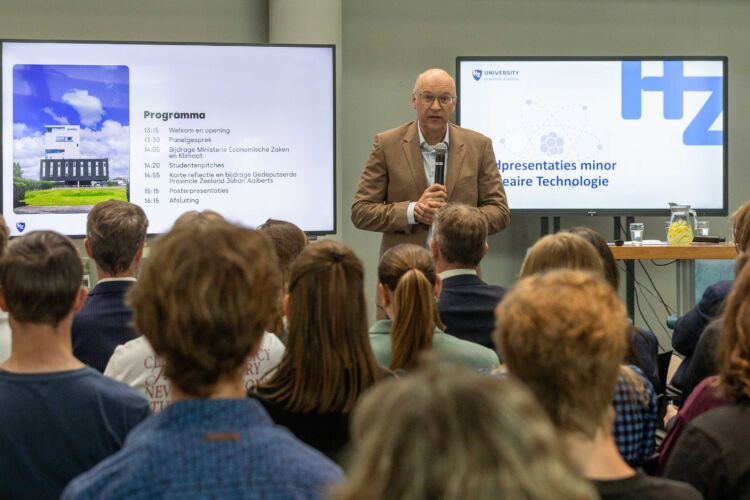
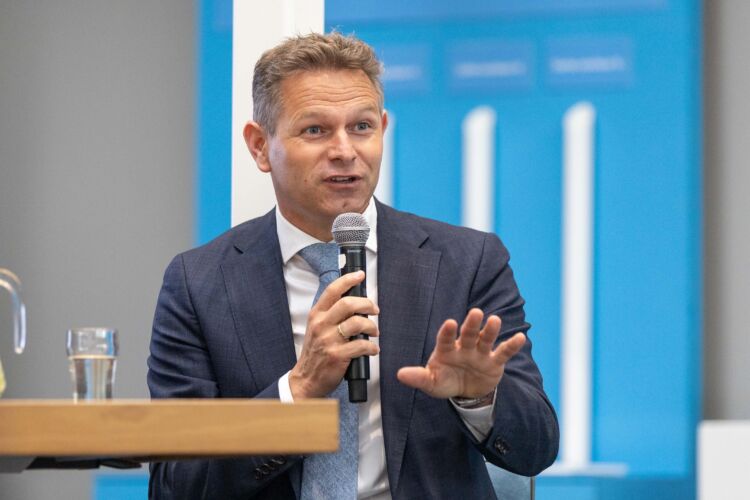
De Bat announced the investment during the closing event of HZ's Nuclear Technology minor. "In the future we will need much more than a minor program if we want to fulfill our ambitions around nuclear energy. The knowledge hubs will help shape this knowledge. We are very pleased with this development," the state secretary said.
Student pitches
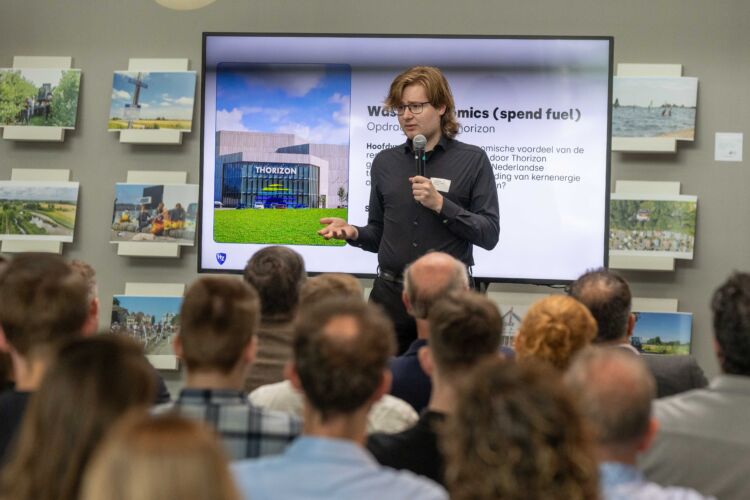
It was the second time the minor program had been offered to students from HZ and other universities of applied sciences across the country. This time, 26 students completed the Radiation Hygiene course as part of the minor and were introduced to the basic principles of nuclear energy. They also visited, among others, EPZ, COVRA, Urenco, NRG Petten, and the reactor institute at TU Delft.
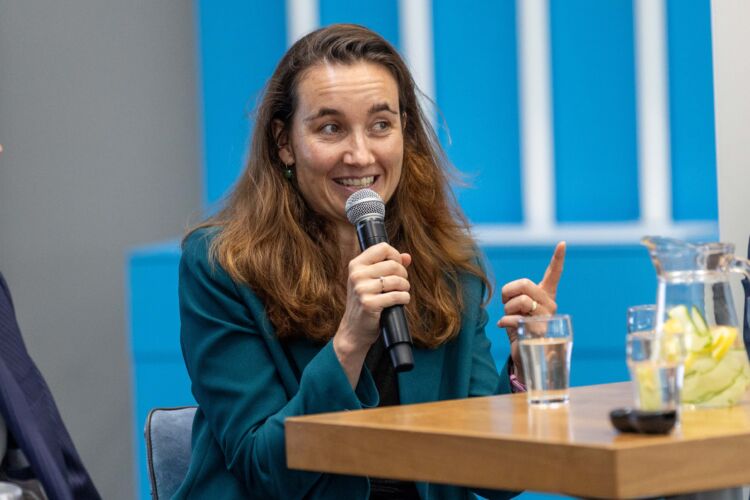
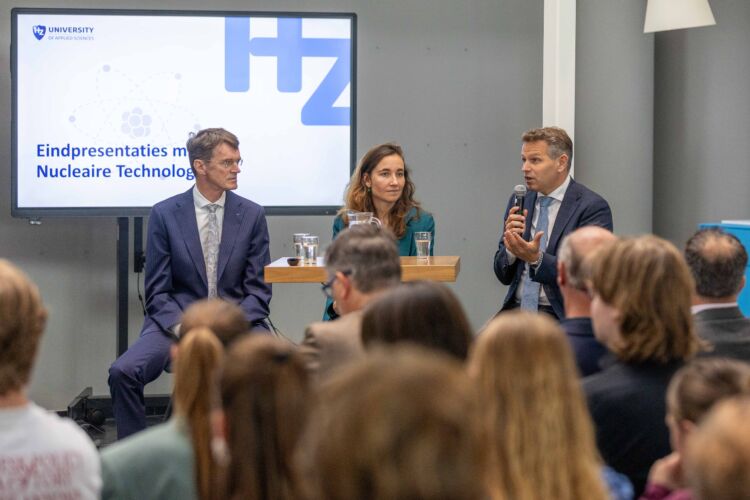
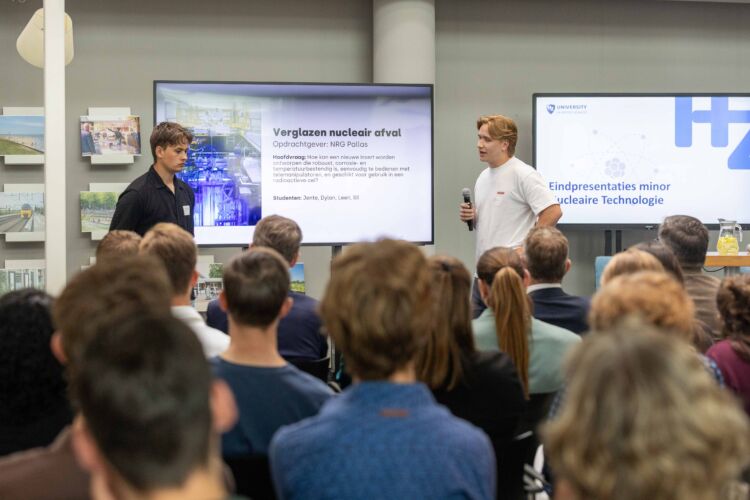
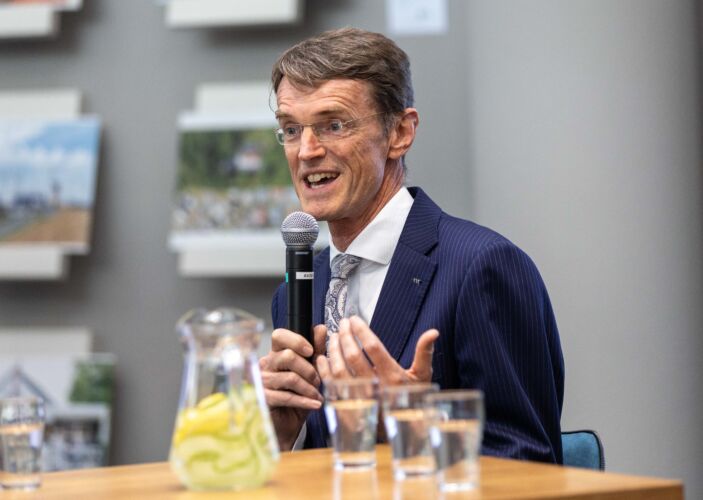
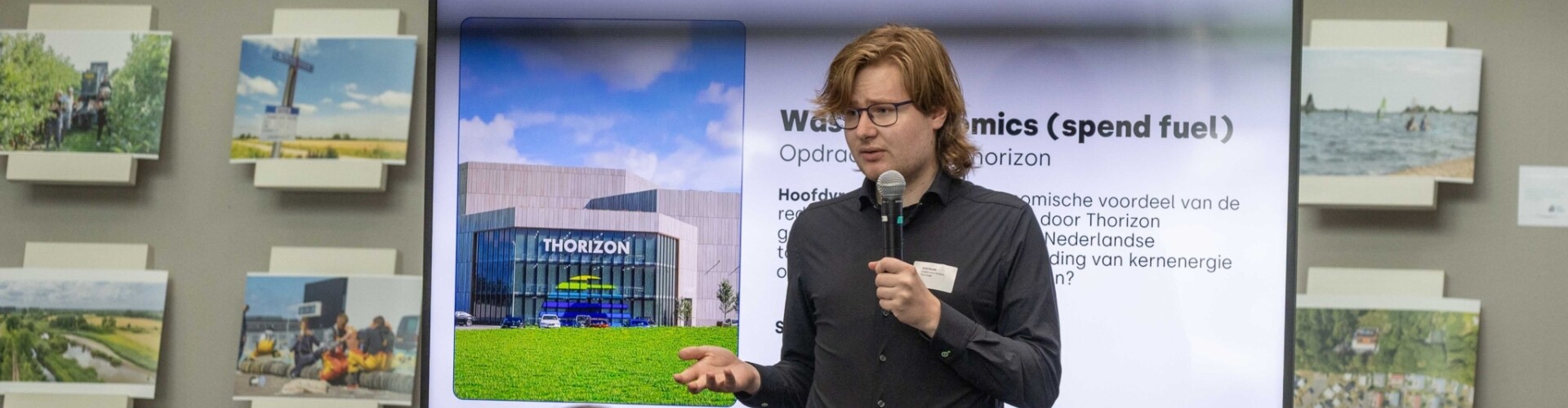
During the closing event, students pitched their solutions in teams to a question posed by partners in the nuclear sector. They also presented their work via a poster. Also in attendance were De Bat, Thorizon CEO Kiki Lauwers, and EPZ CFO Bram Paul Jobse.
Provincial executive Johan Aalberts of the province of Zeeland reflected on the students' work. "This investment fits seamlessly with our ambition to further develop Zeeland as the Netherlands' nuclear knowledge and energy region," he said about the ministry's decision. "The higher professional education knowledge hub is an important building block for Nuclear Campus Zeeland: the place where education, research, and industry come together. This strengthens our position, attracts talent, trains people for the nuclear sector, and builds the knowledge needed for the energy supply of the future."